In the rapidly evolving world of food-to-go, staying ahead of consumer demands and market shifts is essential for success. To provide a comprehensive look at the latest food-to-go trends, we gathered valuable insights from Naomi Hemmings, Senior Marketing Manager at Finsbury Food Group.
Naomi shares her expertise on how consumer behaviour, health priorities, and innovation are shaping the future of convenient, tasty, and quality food options.
Whether you’re a retailer, wholesaler, or simply curious about the sector, this blog explores the key trends driving growth and opportunity in today’s food-to-go market.
Meal Deals Evolving From Consumer Behaviour
Meal deals are increasingly striking a balance between value and quality. With consumers facing the rising cost of living, shoppers want a good deal without compromising taste or quality. In short, customers are expecting more for the same ‘deal’ as a cheap pick-up. That means we’re seeing more premium carriers, stronger flavour profiles and better ingredient cues appearing within meal deals, at an accessible price point to keep the customer happy.
With this upgraded quality, customers also expect to know exactly where their food has come from. They want transparency and reassurance that, alongside the quality taste is quality ingredients. This is particularly the case when it comes to chicken and other meat products. We’re seeing sourcing credentials clearly highlighted that builds trust and strengthens brand perception.
Healthy Consumer Habits to Keep an Eye On
While quality, price points, and provenance are key, evolving consumer habits remain important to watch.
- Health and functionality now define the UK food-to-go market, with a shift toward fresh, nutritious, and high-quality options. However, sustainability has declined in importance for two years running (Lumina Intelligence).
- One in three consumers actively seeks high-protein or low-sugar options in meal deals. The ‘healthy gut, healthy mind’ trend drives interest in protein-rich and healthier choices, with clear nutritional labels and spicy flavors marketed for metabolism benefits.
- Functional foods are becoming mainstream. Consumers want quick, portable options that fit easily into busy workdays, especially at lunch.
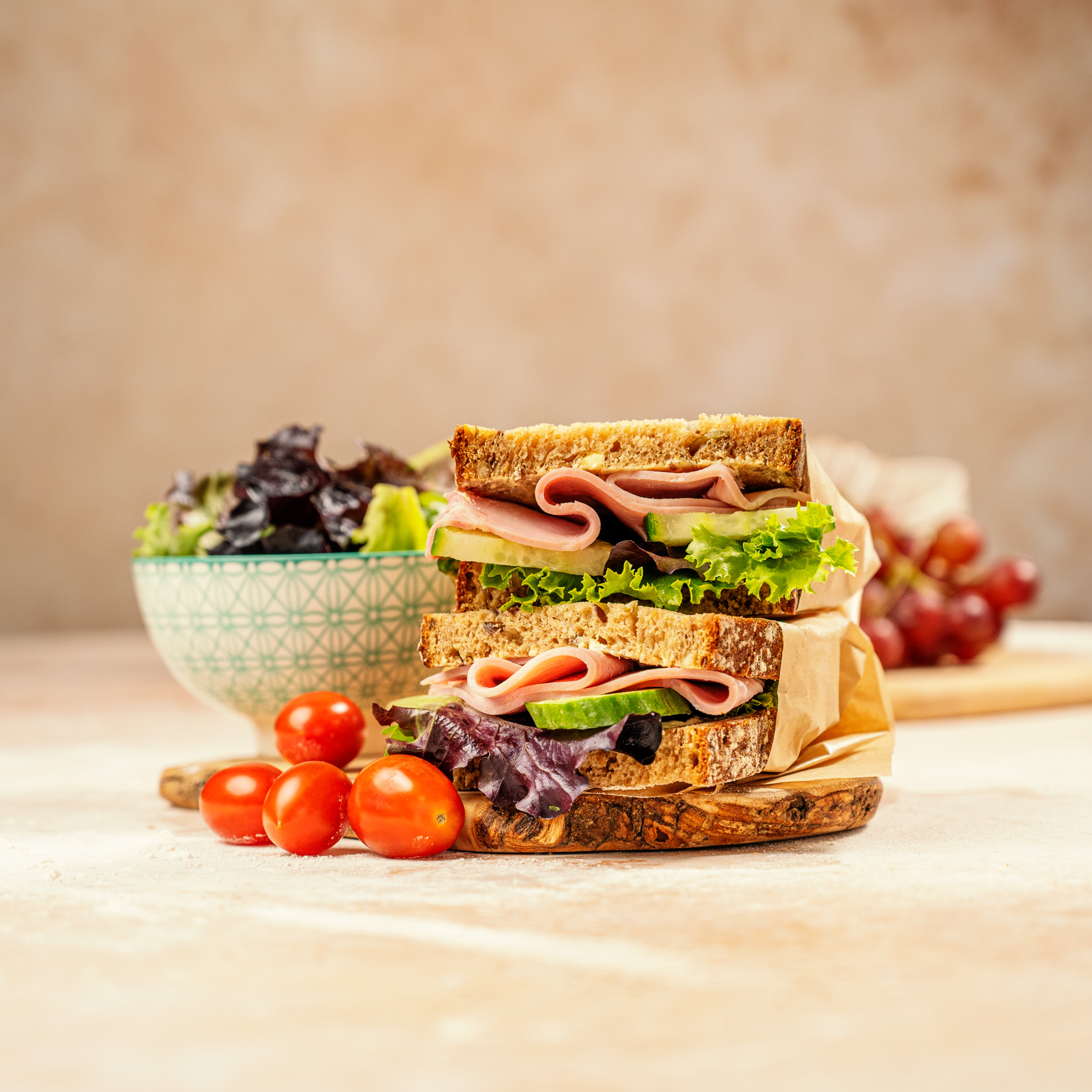
Talking to Naomi, she explored customer habits from a wholesale bakery’s perspective. “There is a clear appetite for more premium, artisanal-style sandwiches with quality increasingly dictating consumer choice, and that quality is communicated through both bread and filling.”
“Sourdough, thicker-cut bloomer styles and more substantial builds all act as signals of quality. In London, particularly, the rise of premium sandwich operators charging around £12 per sandwich demonstrates that consumers will pay more when the product delivers. We’re talking generous fillings, strong visual impact and credible quality cues, all of which help to justify the higher price point. “
Artisanal doesn’t just mean rustic aesthetics; it means delivering on flavour, texture and portion size in a way that feels worth the spend.
Food To-Go Trends This Coming Year
3 biggest trends in the food-to-go sector:
- Global fusion flavours are increasingly popular in street food, with influences from Korean, Japanese, and Middle Eastern cuisines. Sushi, Mexican rice bowls, and Indian snacks are now common sights in meal deal aisles, reflecting the sector’s growing diversity.
- Mobile ordering, app-based rewards, and AI-driven tools are transforming customer engagement. Loyalty schemes enhance value perception and use data to refine product ranges and introduce new options.
- Social media continues to accelerate trends by making certain supermarket items or foodie favourites go viral. Finsbury Food Group supports this with insight-led content, category analysis, and collaborative planning to align marketing with consumer demand.
Insights from Our Industry Expert at Finsbury Food Group
Talking with Naomi Hemmings, Senior Marketing Manager at Finsbury Food Group, we can get a deeper insight into Finsbury Food Group’s position in the food-to-go sector, and how they plan to move with the ever-evolving market.
Advice for Wholesalers from an Industry Leader
“Wholesalers can unlock growth by leaning into insight-led ranging, supported by their supplier. Understanding where the gaps sit in a portfolio, and where demand is building, allows wholesalers to curate a stronger, more relevant offer.” – Naomi Hemmings.
Working with suppliers like Finsbury Food Group, who can provide a broad basket solution, also helps increase basket spend and simplify supply chains. Category knowledge, data and collaboration are key to making the most of food-to-go’s momentum.
“My advice would be to keep a close eye on what independent bakeries and sandwich shops are doing. They are often the first to test new builds, flavour combinations and formats, generating social traction and illustrating what consumers resonate with.”
Finsbury Food Group’s Innovation for Food-To-Go Market Growth
When looking at industry innovation, Finsbury Food Group are leading the charge.
“We are focusing on expanding our sandwich carrier offer to better support premiumisation. This includes developing more bloomer-style breads with thicker cuts and improved structure to handle more indulgent fillings.” We create a lot of NPD and attend trade events so wholesalers can see products in real life. We share products with wholesalers’ chefs and incorporate feedback into development to ensure ranges are commercially viable and relevant to the channel. This sort of close partnership enables both supplier and wholesaler to move quickly as trends evolve and forms a strong working relationship.
In addition to what comes out of the oven, collaboration is central to how Finsbury works. By expanding our national account coverage, we have strengthened relationships and support tailored solutions.
A Partnership Past Trends
As the food-to-go market continues to evolve, balancing consumer demand for health, quality, convenience, and indulgence, staying ahead of these trends is essential for success. At Finsbury Food Group, we are committed to supporting your business with insight-led solutions, quality products, and collaborative partnerships that drive growth.
If you’re looking for a trustworthy partner to navigate the evolving food-to-go landscape and deliver exceptional meal deal offerings, get in touch with our team.
The key food trends to watch in 2026 include a growing interest in emerging food options that offer health benefits and convenience. Consumers are increasingly seeking functional foods, mood-boosting drinks, and premium menus inspired by global cuisines. There is also a noticeable shift towards catering for cost-conscious shoppers without compromising on quality or flavour.
Nutrition is a major factor influencing consumer demand as UK adults prioritise fresh, high-quality foods over ultra-processed foods. There is a growing preference for dishes that balance taste with health benefits, such as those featuring fibre, protein, and functional ingredients. This shift is driving market growth and encouraging innovation in food-to-go menus.
Loyalty apps have become the go-to tool for engaging younger consumers and driving repeat business. These apps offer instant value, personalised offers, and brand collaborations that enhance the overall shopping experience. Retailers using loyalty apps can better understand consumer interest and tailor their product ranges to meet evolving demand.
Performance remains strong across Finsbury Food Group. They are focusing on strengthening their sliced bread capability to better capitalise on premium sandwich growth. Flour baps are performing well due to their versatility. They work across multiple day-parts, be that breakfast, lunch or dinner, and are well-suited to premium sandwich builds. As consumer expectations rise, ensuring carriers meet those demands in terms of both structure and eating quality is essential.
The market is balancing convenience with indulgence by offering ultimate comfort food that fits into busy lifestyles. Consumers want quick, easy access to meals and snacks that also feel like a treat. This includes portion-controlled formats, mood-boosting drinks, and premium-quality products that cater to both everyday needs and special moments.