The UK free-from food market has undergone a massive transformation. What was once seen as a niche sector catering solely to allergies and dietary intolerances is now firmly mainstream, offering gluten-free products, dairy-free alternatives, and meat-free options for most dishes.
To understand the forces driving this evolution, we turn to insights from our very own Ola Evans, Commercial and Development Controller at Finsbury Food Group. From dietary inclusivity to health-conscious customers, we’re looking at the industry to see the choices that are reshaping the bakery aisle.
Shifting Consumer Preferences: No More Compromise on Taste
Modern consumer preferences have evolved, and with them, expectations have soared. Shoppers managing coeliac disease or gluten intolerance no longer accept an inferior experience; they require products that deliver an authentic sensory experience without compromise.
Consumers require products that deliver an authentic sensory experience without compromise. For years, the free-from cake market leaned on safe, predictable flavours like chocolate, lemon, and vanilla, which often fell short compared to traditional cakes that experiment with bold profiles and fillings. Today’s health-conscious consumers are seeking a more elevated eating experience.
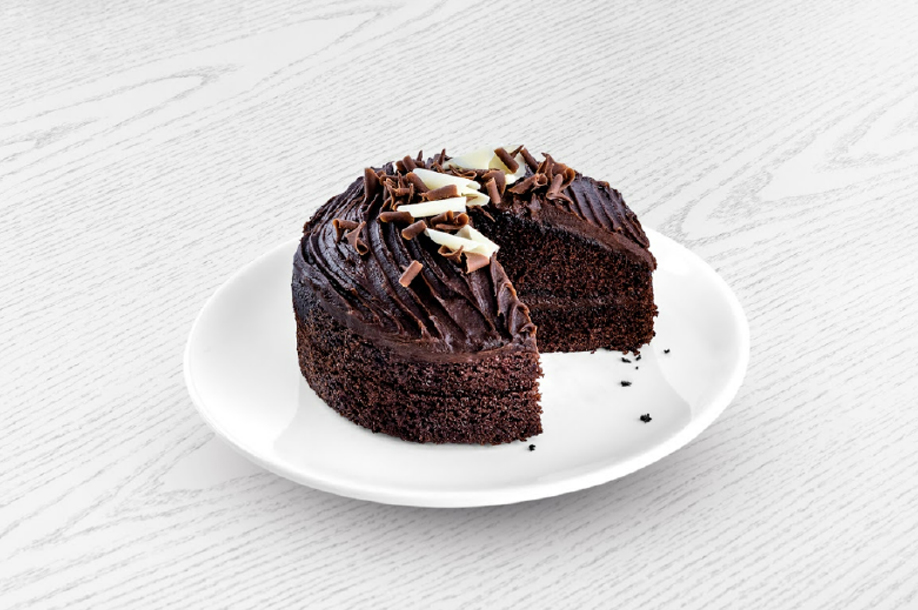
This shift is pushing product innovation beyond old formulas toward adventurous flavour combinations and artisanal qualities that feel like a true treat, not just a dietary necessity. Forget dry chocolate or a plain free-from Victoria sponge; think pistachio rose, coconut and lime, or a spiced fruit twist.
How is the Free-From Food Market Performing?
Ola Evans has evaluated the free-from market to clearly identify where challenges lie and where momentum is building.
While the free-from cake category has faced some struggles in recent years compared to areas like bread and morning goods, we’re now seeing a positive turnaround. Instead of stagnating, the sector is experiencing solid growth, driven by increasing presence across supermarkets and convenience stores.
Recent NIQ market data highlights this encouraging trend:
- Total Free-From Market Value: Up +9.4% year-on-year.
- Total Free-From Market Volume: Growing +6.9% in units year-on-year.
- Seasonal Formats: Surging +17.7% in value year-on-year, thanks to indulgent treats during festive periods.
This growth is mainly fuelled by all-year-round cake formats like slices, squares, and cake bars. However, the sharp rise in seasonal sales shows that consumers are eager to spend on indulgent, high-quality treats for special occasions.
Understanding the data allows us to anticipate how people want to eat. By pushing the boundaries of what free-from baking can achieve, we can help shape an industry where dietary inclusivity never means compromising on the joy of a great treat.
The Technical Challenge of Manufacturing Multi-Allergen-Free Foods
Manufacturing clean-label, allergen-free products comes with steep technical hurdles. Once you start taking multiple allergens out of a product, whether that’s gluten, egg, dairy or nuts, it becomes much harder to keep the quality and taste where consumers want it to be.
Without alternative ingredients functioning exactly like traditional wheat gluten or dairy proteins, baked goods can easily become dry, crumbly, or dense.
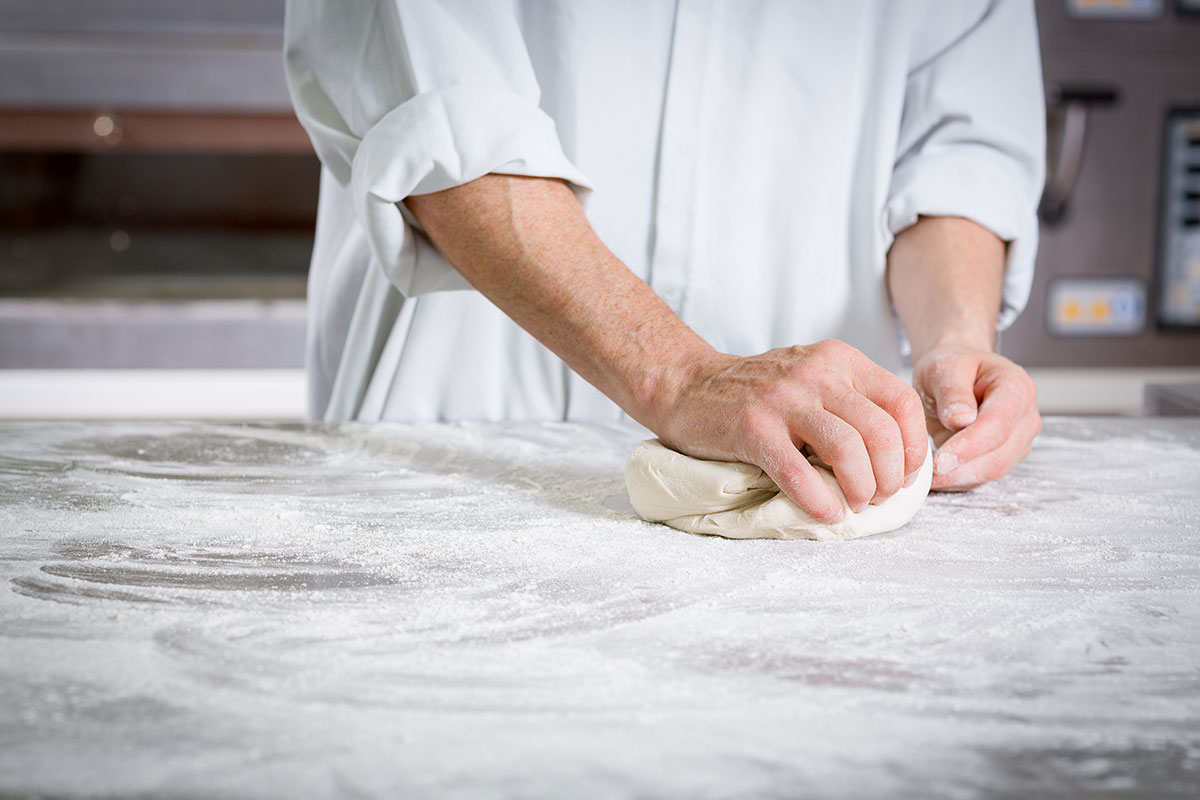
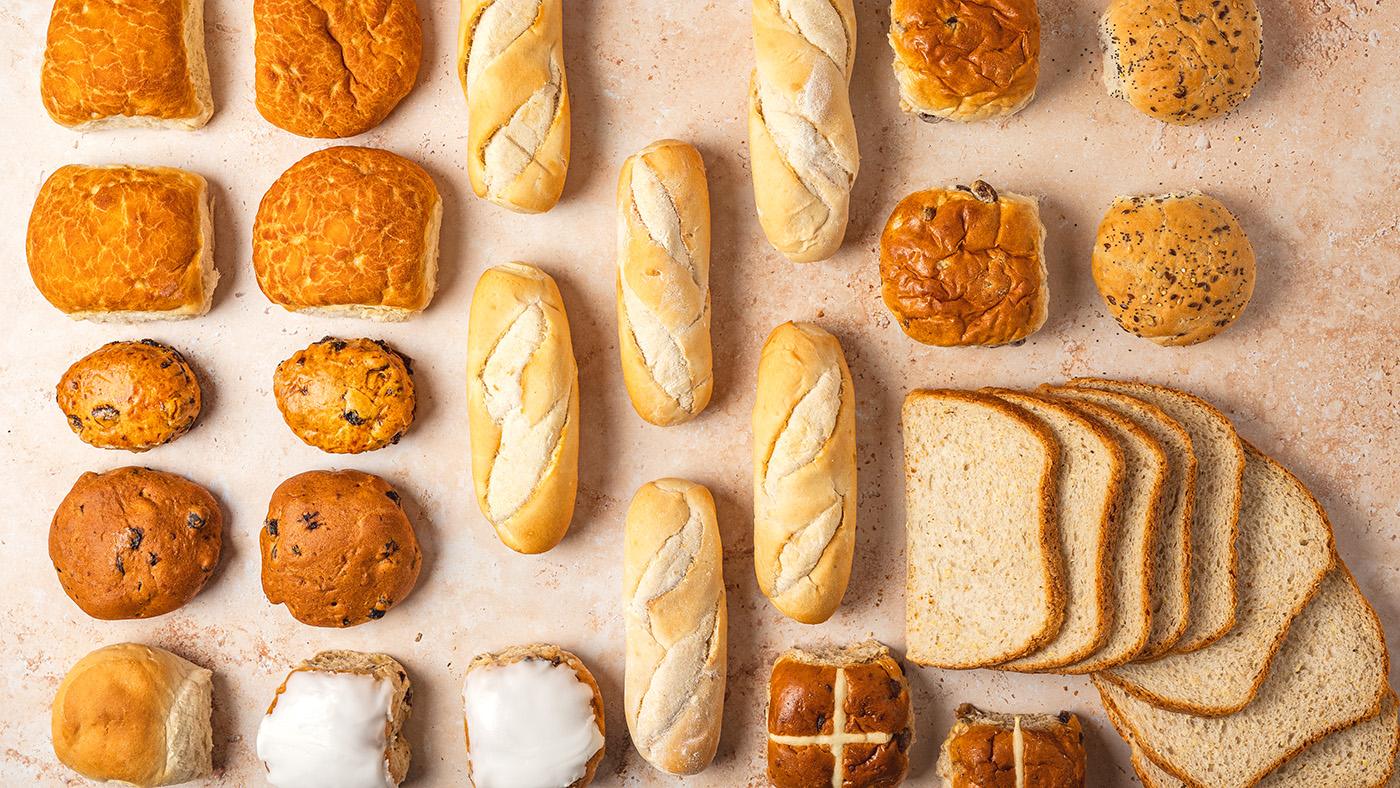
To overcome these complex baking logistics, the industry is increasingly leaning on dedicated, allergen-free manufacturing environments. For example, at Finsbury Food Group, we utilise our two specialist free-from sites, Ultrapharm and Ultraeuropa, to refine our free-from product range. By treating free-from baking as a dedicated craft, it becomes possible to supply both the retail market and the foodservice sector with premium, gluten-free bread and morning goods without compromising quality for ingredients.
Snacking and Convenience Key Trends
Over the past year, exciting new product launches have really sparked consumer interest. The gluten-free Colin the Caterpillar cake created a massive buzz on social media. When free-from shoppers receive products that feel this inclusive, they are highly vocal because, historically, they have had so few exciting options available to them.
At the same time, Ola Evans suggests that busy lifestyles are driving demand for snacks and individually wrapped, on-the-go treats. Despite this growth, one area that remains significantly underdeveloped is kids’ products. More children are being diagnosed with coeliac disease earlier, yet there is a notable gap for fun gluten-free cake options, particularly for birthdays and celebrations.
The Next Step: Overcoming Foodservice Cross-Contamination
While retail options have advanced significantly, the out-of-home sector still faces a major hurdle. For consumers with severe coeliac disease or serious food allergies, eating out remains a stressful experience due to cross-contamination risks during preparation.
Bridging this gap requires functional packaging innovation. Solutions such as reheatable packaging, specifically for products that require toasting, allow staff to handle allergens safely and remove the complexity of cross-contamination in busy kitchens. This simple change allows foodservice operators to expand their gluten-free or vegan ranges with absolute confidence.
Ready to join us at the table?
To keep pace with the latest consumer behaviours and bakery best practices, explore our Insights hub or sign up for the Finsbury newsletter to get the freshest industry updates delivered straight to your inbox.
After a brief period of stagnation compared to bread, the free-from cake market is seeing positive momentum. Recent NIQ data shows the overall free-from market growing +9.4% in value and +6.9% in units year-on-year, driven by all-year-round formats like slices, squares, and cake bars, alongside seasonal spikes like Christmas treats (up +17.7%).
Modern free-from shoppers reject the idea of compromise. They expect the exact same level of quality, texture, and flavour excitement as standard bakery items, prompting a shift away from safe traditional flavours (like chocolate and vanilla) toward more adventurous product innovations.
When removing multiple allergens simultaneously (such as gluten, egg, and dairy), maintaining premium taste and structural quality becomes exponentially harder. Success lies in balancing technical bakery innovation without sacrificing the indulgent eating experience consumers demand.
We utilise our dedicated site, Ultrapharm, to supply the UK retail and foodservice sectors with artisanal gluten-free bread and morning goods, alongside our specialist sharing cake production.
Producing gluten-free foods presents several distinct challenges for manufacturers:
- Contamination Risks: Avoiding cross-contamination with gluten-containing ingredients requires strict allergen control protocols, which increases operational complexity and overall production expenses.
- Taste and Texture: Replicating the natural elasticity and structure of traditional baked goods without gluten is highly difficult. Manufacturers must rely on alternative ingredients and advanced baking technologies to achieve the desired texture and improved taste.
- Affordability and Compliance: Smaller batch scales and rigorous testing push up retail prices, meaning staples like gluten-free bread often retail at a significantly higher price than standard loaves. Meeting strict regulatory standards and clear labelling requirements adds further pressure in this competitive free-from food market.
Driven by mainstream health-conscious choices and sustainability trends, the plant-based boom initially sparked a massive wave of innovation in high-quality meat-free, dairy-free, and egg-free alternatives.
This surge ultimately woke up the entire free-from sector. It proved to manufacturers that shoppers are embracing dietary choices as a lifestyle, not just a dairy allergy. As a result, it shattered traditional category boundaries, encouraging food producers to expand into more diverse, premium gluten-free and multi-allergen ranges to meet this sophisticated consumer demand.
This surge ultimately woke up the entire free-from sector. It proved to manufacturers that shoppers are embracing dietary choices as a lifestyle, not just a dairy allergy. As a result, it shattered traditional category boundaries, encouraging food producers to expand into more diverse, premium gluten-free and multi-allergen ranges to meet this sophisticated consumer demand.
The global free-from food market is experiencing significant growth, projected to surge from $114.05 billion in 2025 to $212.47 billion by 2030 (according to Modor Intelligence).
The free-from food market is growing fast because more people are paying attention to their health and food allergies. But now, it's not just about medical needs; many people choose these foods as part of a healthy lifestyle. With this focus on gut health and nutrition, millions are picking gluten-free, dairy-free, and plant-based options. Thanks to new technology, these products taste and feel better than ever. This is helping free-from foods become popular in many parts of the world, like Asia Pacific, Latin America, and the Middle East.
The free-from food market is growing fast because more people are paying attention to their health and food allergies. But now, it's not just about medical needs; many people choose these foods as part of a healthy lifestyle. With this focus on gut health and nutrition, millions are picking gluten-free, dairy-free, and plant-based options. Thanks to new technology, these products taste and feel better than ever. This is helping free-from foods become popular in many parts of the world, like Asia Pacific, Latin America, and the Middle East.