Press Release on British Baker – Answers by Charlotte McCready, Category Manager, Finsbury Food Group
Which firms are investing in the sourdough market? What impact will this have?
Sourdough continues to be one of the most exciting parts of the bakery category, and investment is naturally following consumer demand. While some businesses are publicly expanding capacity, others are quietly scaling to support long-term growth. What’s clear is that investment is going into both new product development and infrastructure, whether that’s improved fermentation, increased lines or cleaner formulations.
For consumers, this means greater availability of sourdough on the market, more choice and continued improvements in quality and consistency. For the industry, it reflects just how embedded sourdough has become in the everyday bread basket.
How are the retailers’ sourdough ranges changing, both for ISB and wrapped loaves?
The category is expanding at pace. In wrapped bread specifically, we’ve seen a number of range changes this year with increased shelf space and more double facings on the shelves of bestsellers. Retailers are also leaning into flavoured options, be that olive or basil, inspired by sourdough’s artisanal roots but packaged for convenience.
There’s also activity in the more accessible, ‘middle ground’ space with products that dial down the chew and intensity of traditional sourdough to appeal to a wider audience. These new launches are softer-textured, with a touch of sour flavour, designed to meet the middle-ground between standard white bread and full-on sourdough.
How are the options in the out-of-home market changing?
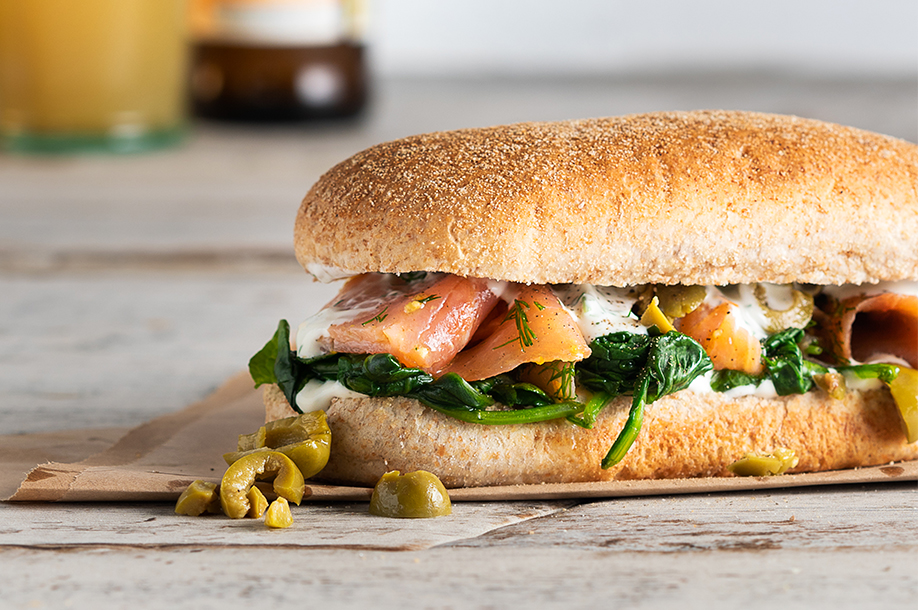
Sourdough is no longer limited to loaves. In out-of-home, it’s showing up in pizza bases, buns, pastries and even hybrid formats. We’re also seeing more about regenerative farming or artisan flour blends, leaning into the more sustainable side of things.
What’s interesting is how sourdough is used to signal both quality and credibility. Whether it’s a casual burger joint using sourdough buns or a café offering a croissant made with sourdough starter, it’s become shorthand for craft, care and quality.
How much growth is left in the sourdough market?
There’s plenty of growth still to come in the sourdough market. Sourdough isn’t just a trend anymore, it’s become an expectation from consumers. Market data suggests growth could continue at around 30% year-on-year based on the last three years of sales and household penetration is still climbing. The latest 52 week data shows +50.6% volume uplift YoY (NIQ, July 2025).
The key point is that the ceiling hasn’t been reached. We’re seeing consistent demand, with more shoppers buying sourdough and those shoppers buying it more regularly. That ongoing mainstream adoption is what will fuel future growth.
How can players of all shapes and sizes tap into this?
Sourdough is surprisingly flexible and there’s space for both traditionalists and innovators. For smaller bakers, the opportunity lies in story-led products with authentic processes and provenance. For larger operators, it’s about finding ways to make sourdough more accessible, be that with softer formats, cleaner ingredient lists or by offering a better shelf-life.
Flavour plays a role too, for example, additions like seeds, cheese, fruit or herbs give sourdough loaves personality while maintaining their craft credentials. Ultimately, it’s about striking the balance between familiarity and distinction.
What are consumers’ top considerations when it comes to sourdough, and why?
Price is a key one. Consumers are happy to pay a little more for quality, but there’s a limit. Promotional activity becomes important to drive trial and repeat amongst consumers.
Authenticity also matters. Shoppers are increasingly aware of what qualifies as “real” sourdough: minimal ingredients, no added yeast, a slow fermentation process and they value consistency. Products that are too tough or chewy can lose appeal. The most successful sourdoughs offer a premium eating experience without compromising on ease and versatility.
How are bakeries marketing their sourdough loaves?
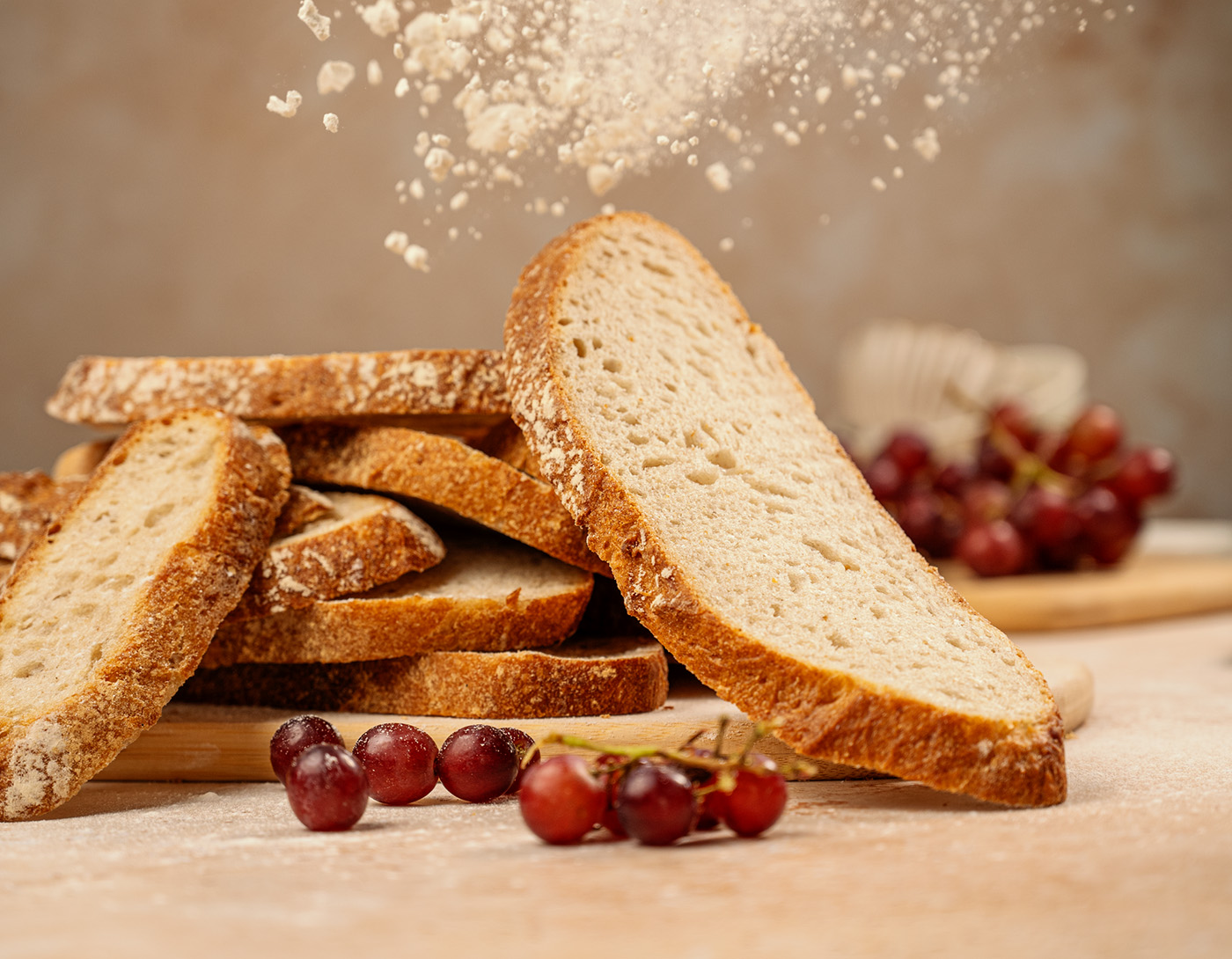
There’s a noticeable split between branded and own label strategies. Branded loaves can use more visible point-of-sale tactics like in-aisle banners or by utilising storytelling techniques on the pack. Meanwhile, own label relies heavily on clear claims and visual cues like flour-dusted crusts or artisanal shaping.
The most effective marketing is often in the product itself: whether it’s a standout flavour, a rustic look or a strong value-for-money message. When a loaf delivers on authenticity, taste and price, it tends to speak for itself and have shoppers coming back time and again.
Ready to elevate your sourdough offering? Whether you’re refining an existing range or exploring new formats, now is the time to act. Get in touch to discover how you can stay ahead in this fast-growing category.