Comments from Naomi Hemmings, Finsbury Food Group.
Things are heating up in the breakfast market as out of home operators battle it out for a bite of the morning occasion. This feature will explore the changing dynamic in the marketplace as well as what types of products are tempting consumers to break their fast.
How has the breakfast occasion evolved for out-of-home operators in the past year?
The breakfast occasion is continuing to rebound post-Covid, but its shape has changed significantly. Hybrid working patterns have flattened the early-morning peak, extending breakfast occasions across a longer time frame, particularly towards mid-morning. Consumers are also increasingly viewing breakfast as a portable, functional part of their day and not necessarily something to eat the moment they wake up.
This evolution has opened up new commercial opportunities, especially in coffee shops and convenience formats. Many have premium offerings at a low cost, for example you can trade up your Gregg’s order, so you get a baguette over a soft roll for a small additional cost.
What factors are driving growth or decline in the breakfast market?
Growth is being driven by convenience and the evolving role of breakfast in people’s routines. Returning to the office has resulted in a resurgence in footfall for operators who can meet demand for quick, high-quality options.
Value also plays a significant role with consumers prioritising deals, portion size and perceived quality, especially in a cost-of-living context. Treating yourself to breakfast while you’re out represents a moment of joy. It’s the lipstick effect, you maybe can’t afford to go out for a meal as a family of four, but you can afford a morning coffee, especially if there’s a breakfast deal that includes a muffin, for example.
The breakfast market is, however, being eroded by the rise in snacking occasions. When people are reaching for food-on-the-go, they want it to be easy to eat while on the move, and many are looking for high protein products, keeping them fuller for longer. As such, snacking can lend itself better to this than breakfast can. In fact, many are skipping breakfast altogether and reaching for a snack mid-morning instead.
Covid resulted in a real merging of mealtimes, with people less regimented about when they ate, instead eating when they were hungry. The brunch occasion has grown exponentially because of this, as has snacking. QSR operators like Greggs have noticed this trend and tapped into it: offering hot bites, wedges and chicken strips, that can be eaten across the day.
Additionally, those who pop into a coffee shop for a caffeine fix on the way to work are often drawn to impulse buys at the cash register, picking up a protein bar in lieu of breakfast.
What are consumers looking for in their breakfast choices now – health, indulgence, speed, value etc?
The market is polarised. While health remains important, indulgence is driving decision-making, especially in food-to-go formats. Consumers are craving more than just fuel, they want feel-good flavours, premium cues and textural interest. There’s a strong focus on grab-and-go indulgence with a permissible twist, such as smaller portions or better-for-you ingredients that still deliver on taste. Speed and value are non-negotiables, but it’s the emotional pull of the product that converts interest into purchase.
According to data from Lumina Intelligence, (UK Eating Out Market Report, May 2025) consumer attitudes are based around value (76%), quality (75%) and health (44%) and this is increasingly driving venue choice.
Provenance is something that consumers are increasingly becoming more interested in, QSRs that showcase ethical messaging about where they source their coffee beans from, for example, demonstrate meaningful sustainability and quality credentials, resonating with consumers.
How are breakfast menus changing to accommodate this? How does this differ between grab-and-go and sit in establishments?
Grab-and-go is all about immediacy, packaging and portability as it is products that can be eaten on the move, often with one hand. Sit-in formats, by contrast, are leaning into elevated café-style experiences, with artisanal-style baked goods, visual appeal and new flavour combinations. Both are increasingly experimenting with cross-category inspiration, taking cues from desserts and snacking to evolve the morning offer. Limited time offers and seasonal twists are also being used to maintain momentum and excitement.
Which breakfast products or formats are performing best for you right now?
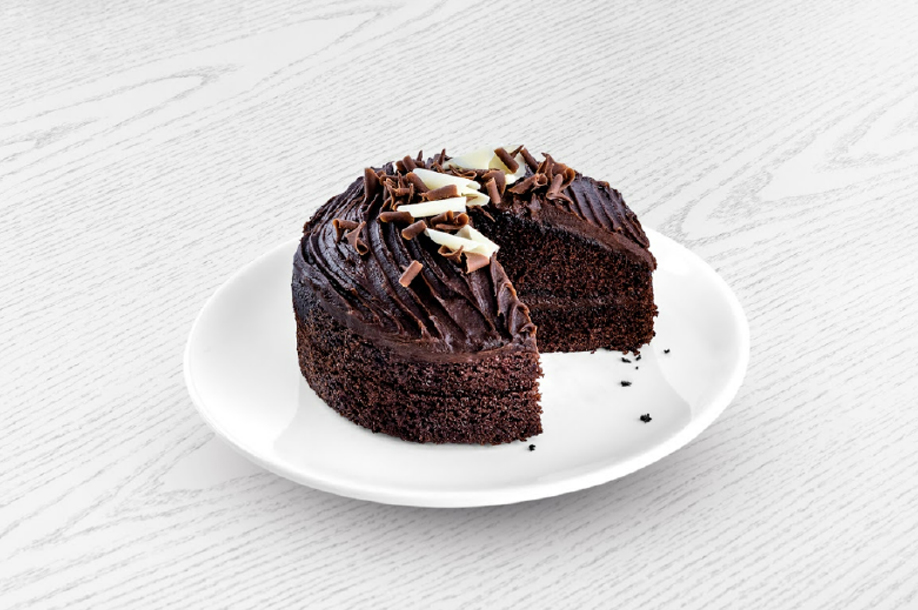
Sweet bakery continues to shine, with American style muffins, pastries and loaf cake slices all performing well across food-to-go. Hybrid formats like stuffed croissants and muffins with filled centres are proving popular, offering excitement and permissible indulgence in a convenient format. There’s also growth in mini formats and bite-sized ranges, which give consumers more flexibility across day parts as well as an element of portion control.
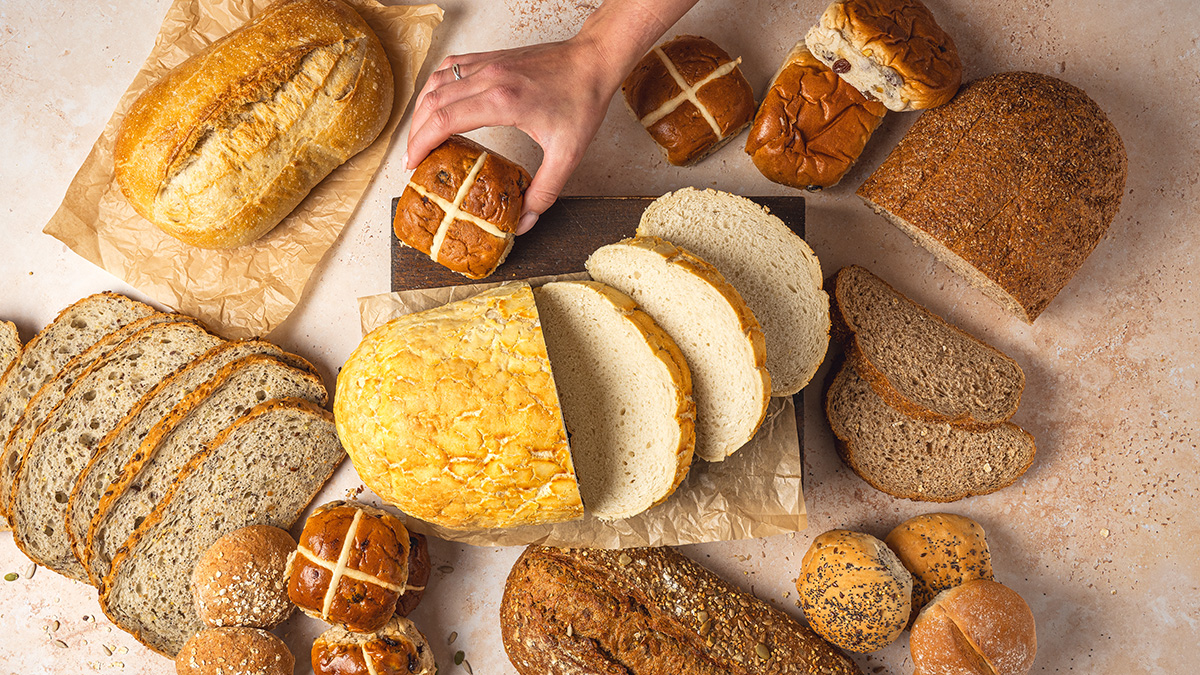
On the savoury front, premium English muffins featuring a higher dome are something we are experiencing increasing demand for.
What challenges do operators face in capturing the breakfast market (eg staffing, supply chain, pricing)?
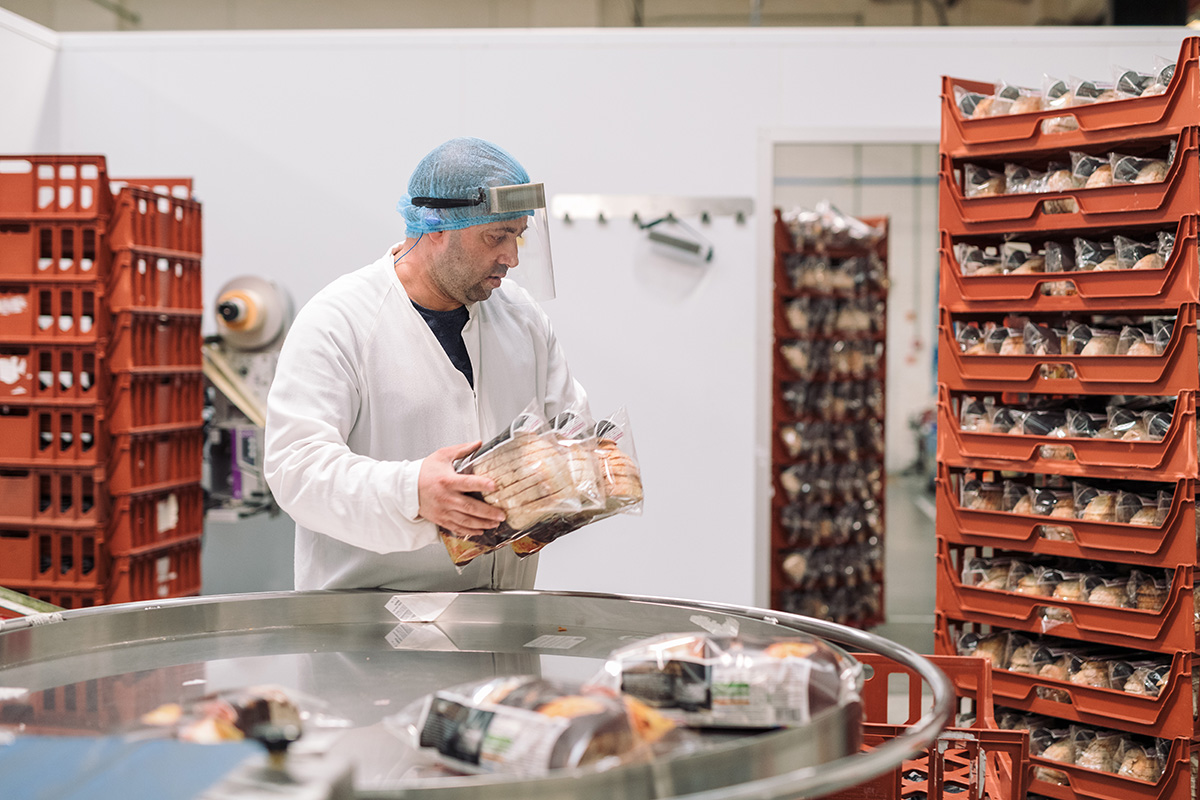
One of the biggest challenges is predicting footfall in an unpredictable world, especially as working patterns fluctuate. Operators are also navigating rising costs, making it harder to deliver high-quality products at accessible prices. Labour shortages in early morning shifts can further constrain production and availability, particularly in smaller foodservice settings. This is where suppliers like Finsbury can help as we offer ready-to-serve bakery solutions that reduce operational pressure while delivering consumer appeal.
How are convenience retailers and/or delivery platforms changing the market?
Convenience and delivery are driving growth in the breakfast-to-go market, particularly apps like Deliveroo, that constantly ask consumers about adding something else to their order on an impulse, driving up spend.
Finsbury has seen rising demand for individually wrapped shelf-stable options that deliver on both freshness and indulgence. These products work just as well in a petrol forecourt or a meal deal as they do in a local coffee shop. This is where baked goods can play a leading role, acting as the anchor product in a breakfast bundle.
What meal deals are on offer at breakfast time? What part do beverages have to play in this?
Meal deals continue to be a powerful driver of footfall and spend. Finsbury works closely with retail and foodservice partners to offer branded bakery products that pair well with hot drinks, from classic muffins to new seasonal bakes. Coffee remains a huge part of the morning mission and is often the driver of the purchase, making bakery the perfect accompaniment.