How can retail and foodservice brands turn cold-weather cravings into high-volume seasonal sales? As the seasons change and the weather cools, consumer eating habits undergo a distinct shift. The arrival of colder months brings a clear desire for warmth, comfort, and indulgence at the dining table. For bakeries and food manufacturers, winter food trends represent an ideal opportunity to refresh ranges, capture seasonal excitement, and inspire shoppers looking for familiar favourites with an elevated twist.
Here are our top 3 winter food trends to watch, along with key insights on how brands can translate these seasonal flavours into high-performing retail lines.
1. The Enduring Comfort of Familiar Winter Flavours
When temperatures drop, consumers naturally turn toward rich, comforting bakes that bring nostalgia and joy. Core flavours like warm cinnamon, baked apple, zesty orange, and deep chocolate remain central to cold-weather snacking.
Rather than reinventing the wheel, successful seasonal product development often starts with these classic foundations:
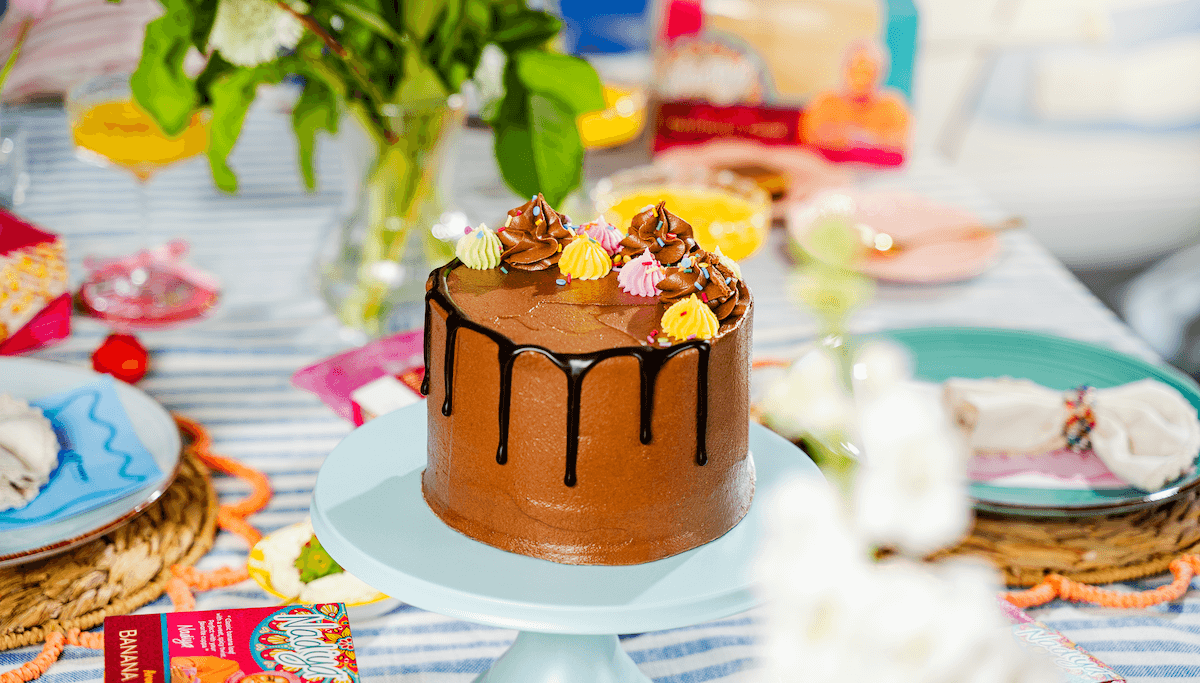
- Chocolate and orange: A quintessential winter pairing that delivers instant festive appeal across everything from celebration cakes to bite-sized treats.
- Apple and cinnamon: A timeless fruit-and-spice blend that brings cosy bakery warmth to morning goods, muffins, and pies.
- Ginger and caramel: Spiced gingerbread balanced with sweet, gooey caramel offers a delicious contrast of warmth and sweetness.
Building on familiar favourites gives shoppers a sense of comfort while providing a reliable foundation for seasonal impulse sales.
2. Elevating Bakes with Sweet, Salty, and Premium Textures
While traditional profiles drive core volume, today’s consumers also seek a more sophisticated taste experience. Adding subtle contrasts, such as salted caramel, spiced butter, or toasted nut toppings, creates a modern profile that feels extra special.
Premium ingredients play a vital role here. Upgrading a standard bake with rich Belgian chocolate, real fruit inclusions, or a salted butter caramel drizzle transforms everyday treats into affordable luxury.
Texture contrast is equally important: pairing a soft sponge with crisp topping elements or smooth filling layers satisfies growing consumer cravings for multi-texture indulgence.
3. Extending Seasonal Flavours Past Christmas Day for the Colder Months
Festive menus and traditional Christmas food trends naturally dominate late November and December. However, heavy reliance on festive maximalism, like hyper-specific holiday packaging or novelty designs, can prematurely shorten a product’s shelf life once Boxing Day passes.
Smart product development strikes the balance between seasonal appeal and long-term relevance. Consumers still crave warm, comforting treats in late autumn, throughout January, and into February. By focusing on versatile winter flavours rather than short-lived festive branding, food manufacturers and retailers can capture early holiday excitement while ensuring bakes remain genuinely attractive to shoppers right through the colder months.
Turning Emerging Trends into Retail Launches
Bringing successful seasonal bakes to market requires a fast, agile approach to product development. Food manufacturers must balance creative flavour innovation with efficient production across commercial bakery lines.
At Finsbury Food Group, our development team across our family of bakeries helps retail and brand partners turn emerging flavour trends into scalable, high-quality products. Whether you want to introduce a limited-edition spiced cake line or elevate a staple dessert for winter, we bring the operational expertise needed to take concepts from the test kitchen straight to retail shelves.
Ready to bring your winter range to life? Get in touch with our team today or explore our latest insights on the Finsbury media hub to see how our expertise can support your seasonal strategy.
Frequently Asked Questions
The biggest winter food trends focus on rich warmth, nostalgia, and premium textures. Consumers are looking for familiar favourites like spiced apple, cinnamon, and chocolate orange, as well as sophisticated sweet-and-salty combinations like salted caramel.
Festive menus highlight seasonal ingredients like rich chocolate, spiced cranberry, and gingerbread. These flavours bring immediate Christmas cheer to bakery aisles, encouraging impulse purchases and special celebrations during the colder months.
The rich, comforting feel of hot chocolate inspires a wide range of winter desserts and bakery goods. Incorporating marshmallow toppings, dark chocolate fillings, or whipped cream textures allows manufacturers to offer the cosy taste of a favourite winter drink in a cake format.
Retailers can focus on broader seasonal flavours like spiced gingerbread, toasted cinnamon, and dark chocolate rather than strictly Christmas decorations and packaging. This allows product ranges to appeal to shoppers throughout November, January, and February too.
Launching limited-edition ranges or seasonal multipacks allows brands to test new flavour twists with low commercial risk. Working alongside experienced bakery partners helps streamline product development and ensures smooth rollout onto retail shelves.